Introduction
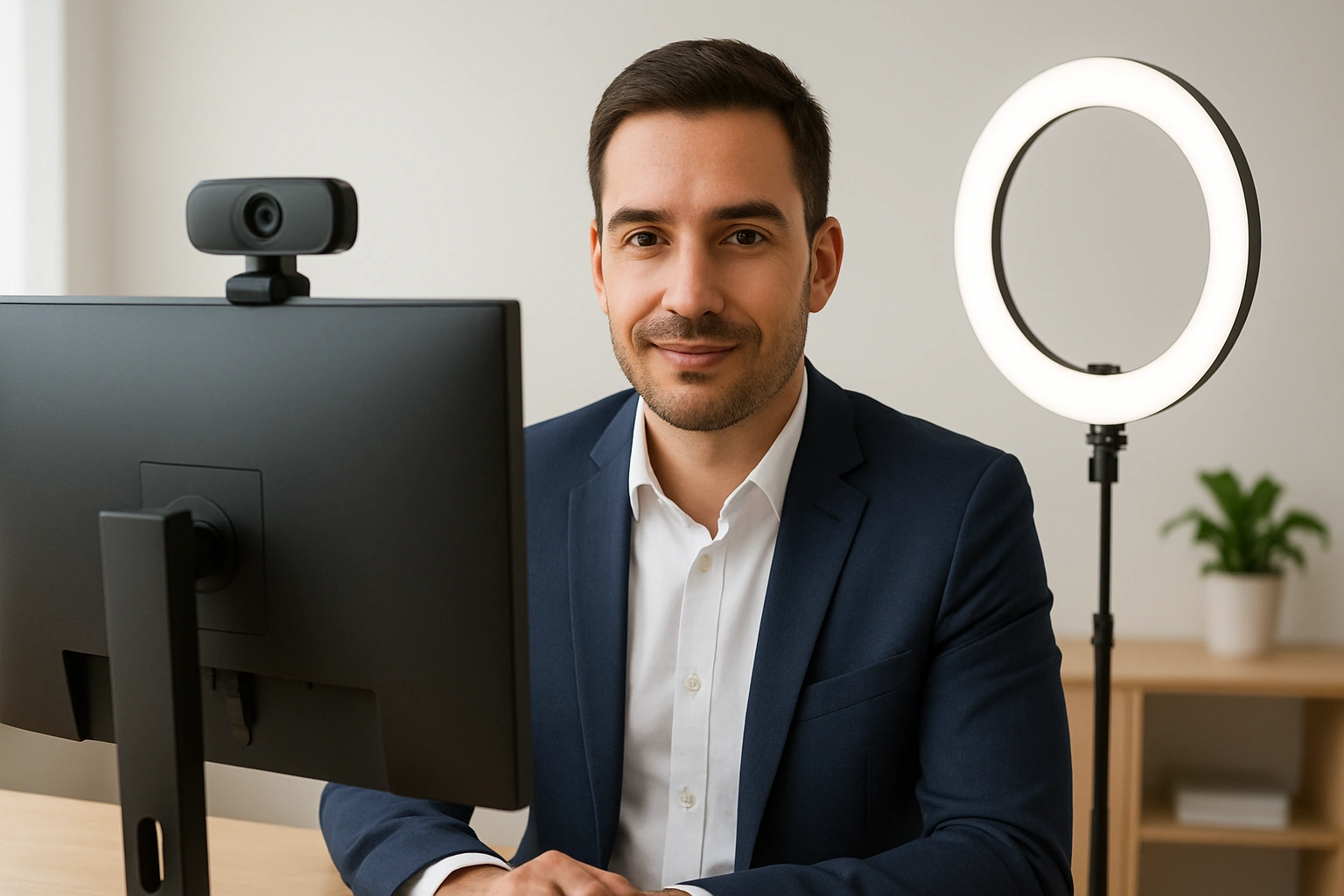
In 2025, video calls are no longer a novelty; they are the boardroom, the coffee break, and the client pitch. Yet, many professionals still rely on grainy, unflattering laptop cameras that undermine their credibility. Imagine trying to close a deal or lead a team meeting with poor video, and this is where webcams that look professional make a difference. This guide will show how webcams that look professional can transform your virtual presence, ensuring you make a sharp, confident impression. You’ll explore the best webcams that look professional for remote work, discover top HD webcam picks, and see how a dedicated video conferencing camera can elevate your work-from-home setup to unmatched clarity and professionalism.
What are Webcams That Look Professional on Video Calls?
Webcams that look professional are external camera devices built to capture high-quality video and often audio, far beyond what typical laptop cameras can provide. Webcams that look professional use superior sensors, lenses, and image processing to deliver clear and crisp visuals. For anyone serious about virtual meetings, webcams that look professional ensure you appear well-lit and sharp even in difficult lighting. Choosing webcams that look professional helps maintain a polished, professional appearance in every video call.
In 2025, with virtual interactions forming the backbone of remote work, webcams that look professional are no longer just accessories but essential tools for effective communication and maintaining a professional image. Webcams that look professional are increasingly incorporating AI-powered framing, enhanced low-light performance, and seamless integration with virtual meeting platforms. A 2024 survey by TechCrunch indicated that 85% of remote professionals rely on webcams that look professional for clear and impactful collaboration. Upgrading to webcams that look professional has become a common step for those seeking a polished and credible work-from-home setup.(Source: TechCrunch – Remote Work Video Quality)
Why a High-Quality Video Conferencing Camera Matters: Benefits for Your Remote Presence
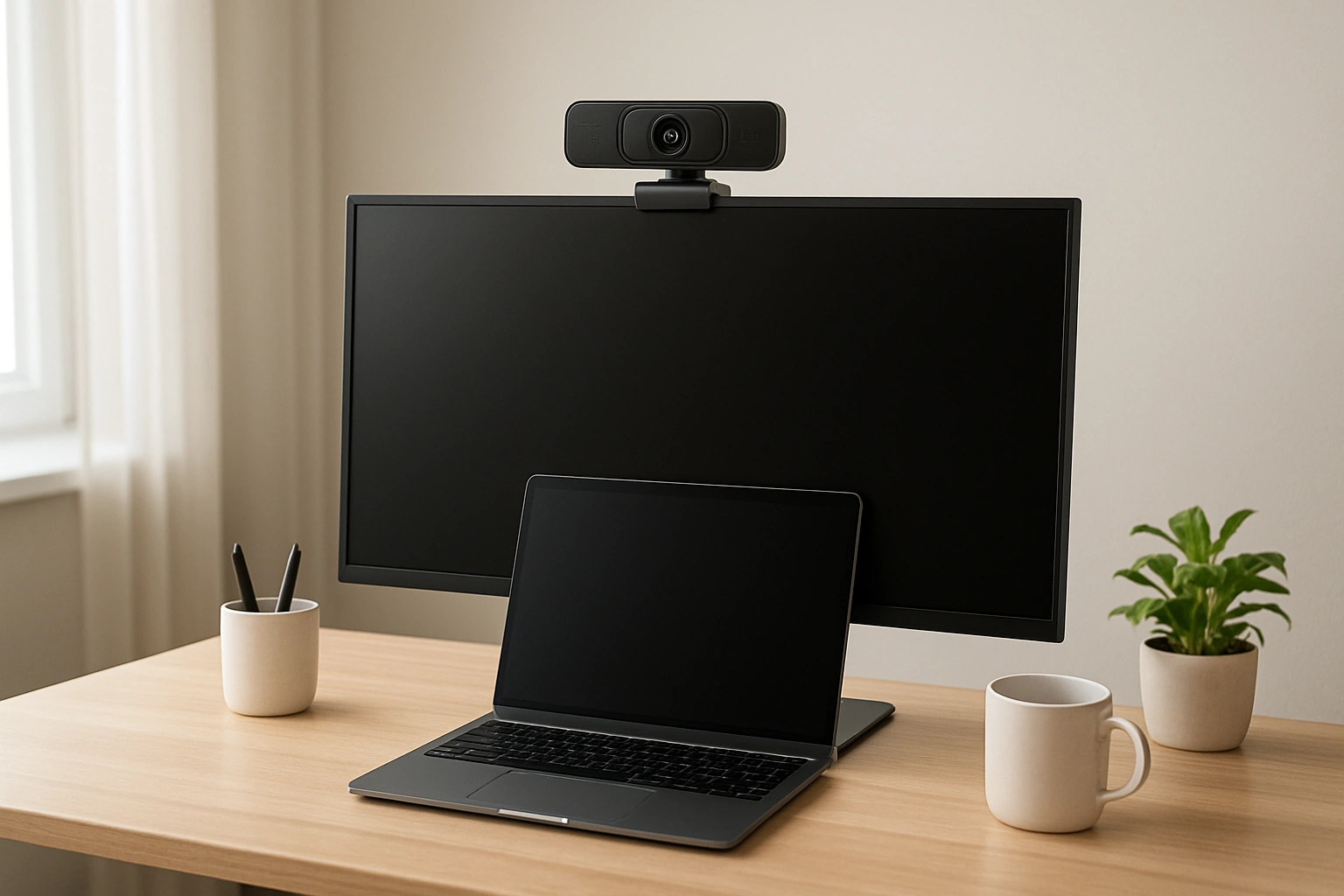
Investing in webcams that look professional offers a strategic advantage for anyone working remotely. Webcams that look professional improve communication, making conversations clearer and more engaging. Using webcams that look professional also enhances credibility, ensuring you make a confident impression in every meeting. Choosing webcams that look professional can transform your overall remote work experience by combining visual clarity with professional presence.
Enhance Professionalism & Credibility
In virtual interactions, your visual presence starts with webcams that look professional. A grainy, poorly lit, or out-of-focus image can undermine your credibility, which is why webcams that look professional are essential. Using webcams that look professional ensures you appear sharp, clear, and well-presented, building trust with clients, colleagues, and superiors. Choosing webcams that look professional signals that you take your work seriously and are equipped for effective remote collaboration.
Improve Communication & Engagement
Non-verbal cues are vital in communication. A clear, high-definition video feed allows your facial expressions and body language to be accurately conveyed, fostering better understanding and engagement in meetings. When participants can see each other clearly, discussions become more natural, dynamic, and effective. This is particularly crucial for complex negotiations, brainstorming sessions, or any interaction where nuanced communication is key.
Reduce Video Fatigue & Eye Strain
Poor video quality can contribute to “Zoom fatigue” by forcing participants to strain their eyes to decipher blurry images or compensate for bad lighting. An HD webcam pick provides a crisp, stable image that is easier on the eyes, reducing visual fatigue for both you and your audience. When your video is consistently good, you can focus on the conversation, not the technical glitches, leading to a more comfortable and productive meeting experience. For more tips on optimizing your remote setup, check out our guide on remote work productivity hacks.
How It Works: Core Features of the Best Webcam for Remote Work
The **best webcam for remote work** combines several advanced features to deliver a professional video experience, even from your home office. Here’s what sets them apart.
- High Resolution & Frame Rate:
- 1080p Full HD: The standard for professional video calls, offering clear and detailed images.
- 4K UHD: Provides even greater detail, useful for cropping or digital zoom, though often compressed by meeting platforms.
- 30/60fps: A higher frame rate (frames per second) ensures smoother, more natural-looking motion.
- Low-Light Correction & HDR:
- Auto-Light Correction: Automatically adjusts brightness and contrast to ensure you’re well-exposed, even in dim environments.
- HDR (High Dynamic Range): Balances bright and dark areas in your video, preventing overexposed backgrounds or underexposed faces.
- Autofocus & Field of View (FOV):
- Fast Autofocus: Keeps you sharp and clear, even if you move slightly during a call.
- Adjustable FOV: Allows you to widen the view to include more of your background or narrow it for a more personal shot. Some HD webcam picks offer software control for this.
- Privacy & Mounting Options:
- Privacy Shutter: A physical cover for the lens, ensuring privacy when the webcam is not in use.
- Versatile Mounting: Clips securely to monitors, laptops, or can be mounted on a tripod, offering flexibility for your work from home webcam setup.
- Microphone Quality (Built-in):
- Dual Microphones: Some webcams include multiple microphones for better stereo sound or noise reduction.
- Noise Reduction: Filters out background noise to ensure your voice is clearer to others.
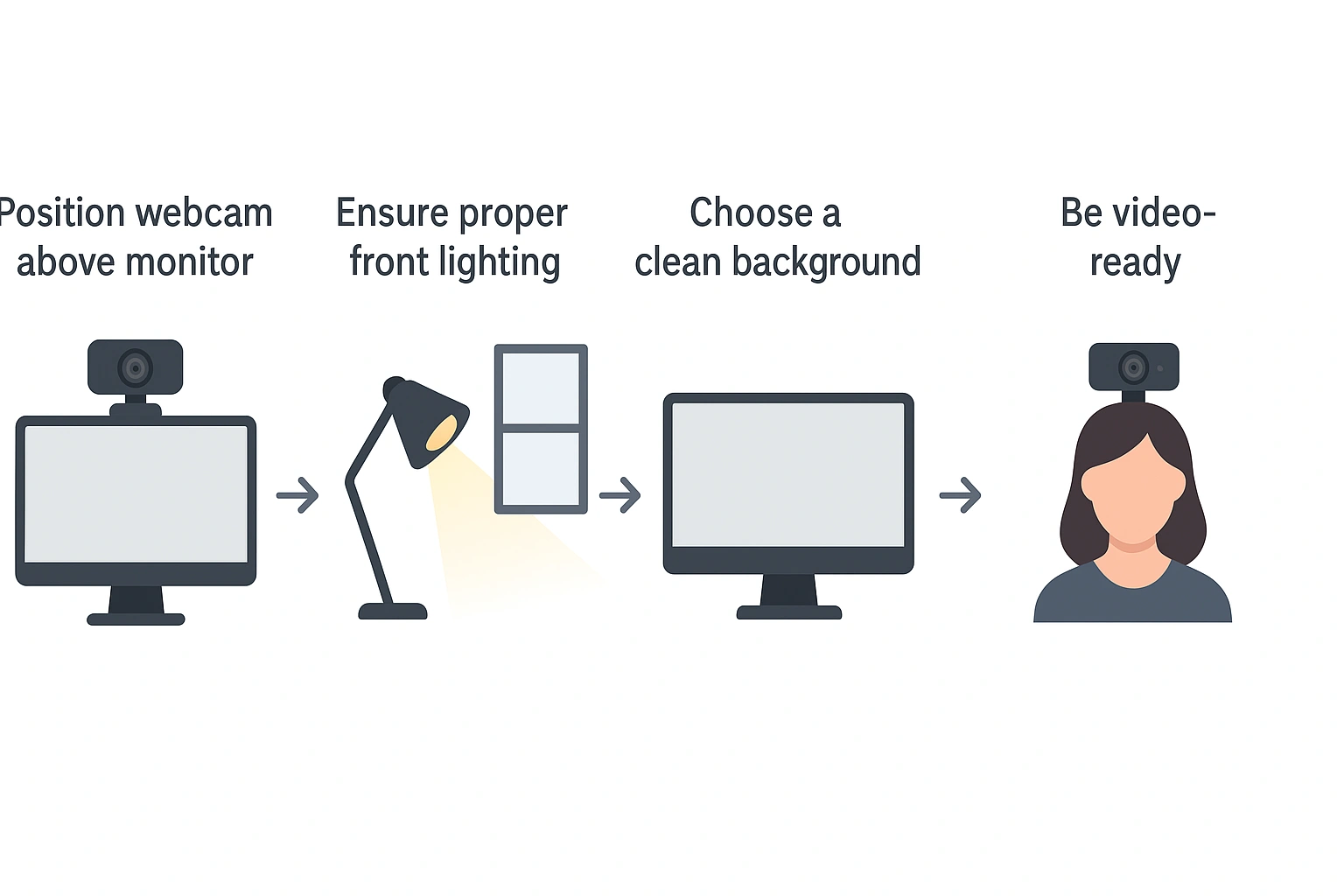
Here’s a simplified process flow illustrating how to set up your work from home webcam for optimal professional video calls:
Chart: Professional Webcam Setup Workflow
| Step | Action | Goal | Benefit for Professionalism |
|---|---|---|---|
| 1 | Position Webcam Mount at eye level, centered above monitor. |
Direct eye contact, natural perspective. | Engaging & credible virtual presence. |
| 2 | Optimize Lighting Use soft, diffused light from the front. |
Even illumination, no harsh shadows. | Clear, flattering image, reduces fatigue. |
| 3 | Manage Background Ensure clean, uncluttered, professional backdrop. |
Minimize distractions, maintain focus on you. | Polished, distraction-free appearance. |
| 4 | Check Audio Quality Use external mic/headset for clear sound. |
Crisp, noise-free voice transmission. | Effective communication, avoids frustration. |
| 5 | Test & Adjust Settings Preview video, fine-tune webcam software settings. |
Optimal brightness, contrast, FOV. | Best possible visual output. |
| Total | Flawless & Professional Video Presence. |
Real-Life Professional Transformation: A Case Study with an HD Webcam Pick
Let me share a common scenario that illustrates how upgrading to an **HD webcam pick** can dramatically elevate a remote professional’s virtual presence.
The Challenge:
David, a remote consultant, frequently led virtual presentations and client meetings. He relied on his laptop’s built-in webcam, which produced a grainy, dimly lit image, especially in his home office’s variable lighting. He often felt his message was undermined by his poor video quality, leading to a lack of confidence in virtual interactions.
The Transformation with a Professional Webcam:
- Invested in a High-Quality 1080p Webcam ($100): David purchased a highly-rated HD webcam pick known for its excellent low-light performance and accurate autofocus. This was his chosen best webcam for remote work.
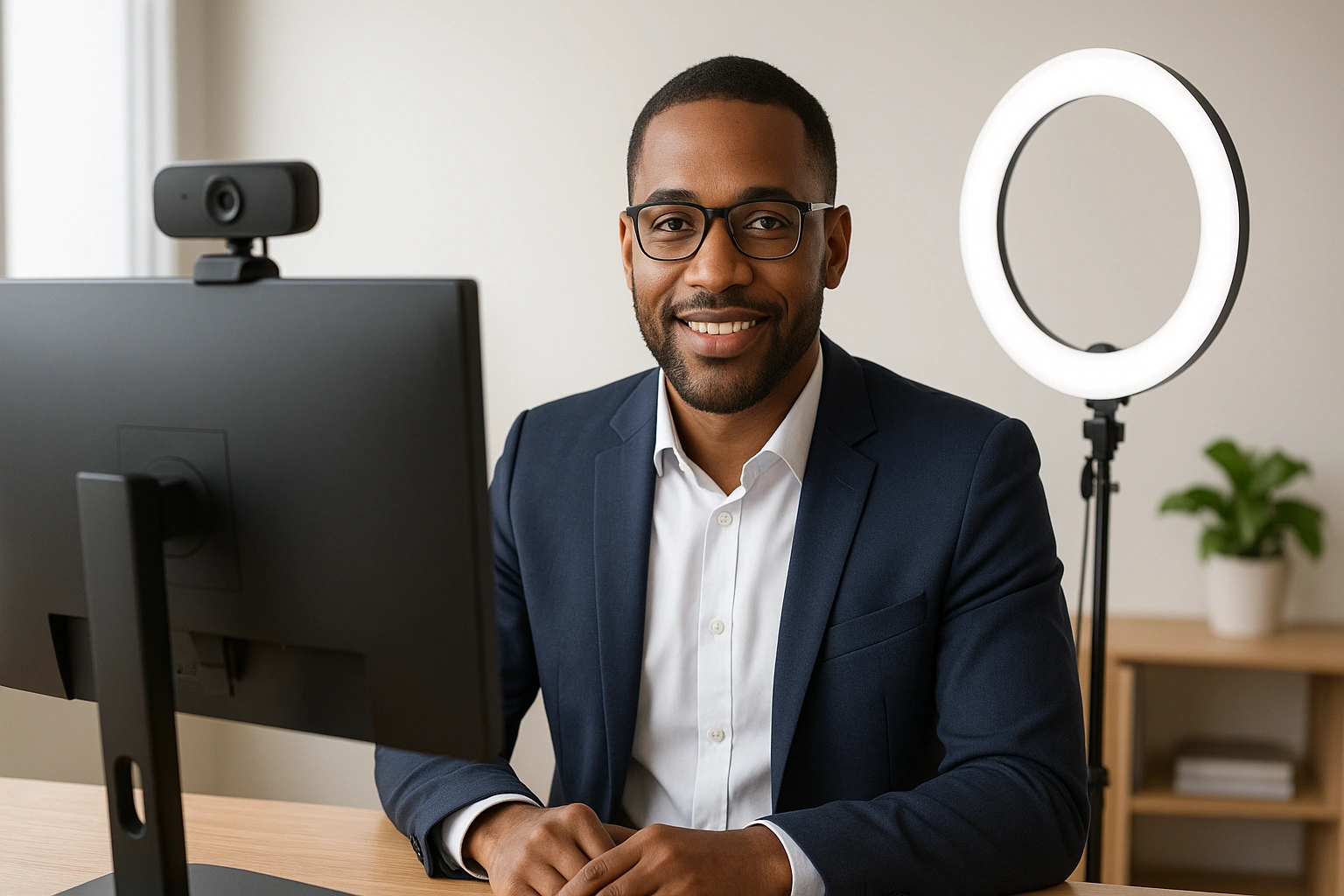
- Optimized Lighting with a Ring Light ($30): To complement the webcam, he added a small, adjustable ring light placed directly behind his monitor. This provided soft, even illumination, eliminating shadows and making his face clearly visible.
- Strategic Positioning: He mounted the webcam at eye level on top of his external monitor, ensuring he appeared to be making direct eye contact with participants. He also cleared his background, opting for a clean, minimalist look.
- External Microphone for Audio Clarity ($50): While the webcam’s mic was better, he invested in a simple USB desktop microphone to ensure crystal-clear audio, eliminating any background noise.
Total Spend: $100 (webcam) + $30 (ring light) + $50 (microphone) = $180. A modest investment for a significant professional upgrade.
Outcome: David’s virtual presence was completely transformed. His video was consistently sharp, well-lit, and professional, and his audio was clear. He immediately felt more confident and engaged in his meetings, leading to more impactful presentations and stronger client relationships. The combination of these **webcams that look professional on video calls** and thoughtful setup elevated his remote work to a new standard.
Pros and Cons of Using a Professional Webcam for Remote Work:
| Pros | Cons |
|---|---|
| Superior Video Quality: Crisp, clear, well-lit image. | Upfront Cost: Can be an investment compared to built-in cameras. |
| Enhanced Professionalism: Builds credibility, makes a strong impression. | Requires Setup: Needs proper positioning and lighting for best results. |
| Better Low-Light Performance: Handles challenging lighting conditions. | External Device: One more gadget to manage and connect. |
| Improved Engagement: Clear visuals aid communication. | Software Compatibility: Ensure drivers and software work with your OS. |
| Flexible Positioning: Mounts anywhere for optimal camera angle. | Microphone Quality: Built-in mics are often secondary to external ones. |
Comparing Top Webcams That Look Professional on Video Calls (2025)
The market for **webcams that look professional on video calls** is dynamic, with several excellent options. Here’s a comparison of leading HD webcam picks and video conferencing cameras for 2025.
| Webcam Model | Key Features (Resolution, FPS, Lighting) | Pros | Cons | Best For |
|---|---|---|---|---|
| Logitech Brio 500 (or similar) | 1080p/30fps, RightLight 4 auto-light correction, auto-framing, privacy shutter. | Excellent image quality, smart features, good for low light, affordable. | Not 4K, built-in mic is good but not professional-grade. | General remote workers, small teams, excellent value. |
| OBSBOT Tiny 2 (or similar) | 4K/30fps, AI auto-tracking, gesture control, privacy mode, excellent low light. | AI features are game-changing for presentations, superior image quality. | Higher price, AI features can be distracting if not used well. | Presenters, educators, content creators, dynamic video needs. |
| Razer Kiyo Pro (or similar) | 1080p/60fps, adaptive light sensor, wide-angle lens, uncompressed video. | Exceptional low-light performance, smooth video, great for streaming. | No 4K, larger form factor, built-in mic is average. | Streamers, content creators, users in challenging lighting. |
| Dell UltraSharp Webcam (or similar) | 4K/30fps, AI auto-framing, HDR, excellent low light, compact design. | Premium image quality, smart features, sleek design, privacy shutter. | No built-in mic (requires external audio), higher price. | Executive users, those prioritizing image quality & design. |
| Anker PowerConf C200 (or similar) | 2K/30fps, auto-focus, adjustable FOV, dual mics with AI noise reduction. | Great balance of features & price, good audio, compact. | Not 4K, video quality good but not top-tier. | Budget-conscious users, small teams, all-around reliable option. |
Common Mistakes to Avoid with Your Work From Home Webcam
Even with the **best webcam for remote work**, common errors in setup can undermine your professional appearance. Avoid these pitfalls to ensure your work from home webcam truly shines.
- Poor Lighting: Mistake: Relying on overhead room lighting or backlighting from a window, creating shadows or a silhouetted image. Correction: Position yourself facing a natural light source (window) or use a dedicated ring light/softbox directly in front of you. Even, diffused front lighting is key for webcams that look professional on video calls.
- Incorrect Camera Angle: Mistake: Having your webcam too low (looking up your nose) or too high (making you look small and distant). Correction: Position your webcam at eye level, or slightly above. This creates a flattering and engaging perspective, making it easier to maintain virtual eye contact.
- Cluttered or Distracting Background: Mistake: Having a messy room, busy artwork, or personal items that draw attention away from you. Correction: Keep your background clean, tidy, and professional. Use a plain wall, a bookshelf, or a virtual background if appropriate. The focus should be on you, not your surroundings.
- Ignoring Audio Quality: Mistake: Relying solely on the webcam’s built-in microphone, which can pick up background noise and sound distant. Correction: While some webcams have decent mics, an external USB microphone or a good headset provides superior audio clarity and noise reduction. Good audio is as important as good video.
- Not Testing Your Setup: Mistake: Jumping into a live meeting without first checking your video and audio quality. Correction: Always do a quick test call with a friend or use your meeting platform’s test feature before important meetings. This helps you catch and fix issues beforehand.
- Forgetting to Look at the Camera: Mistake: Looking at your own image on the screen or at other participants, rather than the webcam lens. Correction: Make an effort to look directly into your webcam lens when speaking. This simulates direct eye contact and makes you appear more engaged and attentive.
- Outdated Drivers/Software: Mistake: Not keeping your webcam’s drivers and associated software updated, which can lead to performance issues or missed features. Correction: Regularly check the manufacturer’s website for driver updates and ensure your webcam software is the latest version.
Expert Tips & Best Practices for a Flawless Video Conferencing Camera Setup
To truly master your virtual presence with **webcams that look professional on video calls**, consider these expert strategies for a flawless video conferencing camera setup.
- Use a Dedicated Light Source: “A simple ring light or a softbox placed directly behind your monitor provides the most flattering and professional illumination, eliminating harsh shadows,” advises virtual presentation coach, Dr. Lena Hansen.
- Elevate Your Laptop: If using a laptop, place it on a stand to bring the built-in webcam or an external webcam to eye level. This prevents the unflattering “up-the-nose” angle.
- Create Depth in Your Background: Instead of a flat wall, try to have some depth behind you. A bookshelf, a plant, or a piece of art can add visual interest without being distracting.
- Ensure a Stable Internet Connection: Even the best webcam for remote work will look poor with a choppy internet connection. Use a wired Ethernet connection if possible, or ensure your Wi-Fi is strong and stable.
- Clean Your Lens: A smudged webcam lens can drastically reduce video quality. Gently wipe your webcam lens with a microfiber cloth before important calls.
- Consider a Green Screen for Virtual Backgrounds: If you frequently use virtual backgrounds, a physical green screen can provide a much cleaner and more professional look, avoiding blurry edges.
- Use Your Webcam’s Software: Many HD webcam picks come with proprietary software that allows you to fine-tune settings like brightness, contrast, white balance, and even field of view. Take advantage of these controls.
- Dress for Success (Virtually): Choose solid colors, avoid busy patterns, and ensure your attire is appropriate for the meeting. Your clothing contributes to your overall professional image on camera.
- Minimize Background Noise: Even with a good microphone, try to minimize ambient noise in your environment. Close windows, inform household members, or use noise-canceling headphones.
- Practice Your “Camera Persona”: Practice looking into the camera, maintaining a positive expression, and using appropriate gestures. This builds confidence and makes your virtual interactions more impactful.
Frequently Asked Questions (FAQ) About Webcams for Professional Video Calls
Here are some common questions about choosing and setting up webcams for professional video calls.
Q: Why is a professional webcam important for remote work?
A: A professional webcam is crucial for remote work as it significantly enhances your virtual presence. It ensures clear, high-quality video for meetings, builds credibility, improves communication, and helps you make a strong impression on colleagues and clients, just like in an in-person setting.
Q: What features make a webcam one of the best for remote work?
A: The best webcams for remote work offer 1080p or 4K resolution, excellent low-light correction, accurate autofocus, a wide field of view, and often a privacy shutter. Good built-in microphones are a plus, though external mics are usually superior.
Q: Can an HD webcam pick improve my lighting conditions?
A: While an HD webcam pick can have good low-light correction, it cannot fully compensate for poor lighting. For optimal results, combine a quality webcam with good natural light or a dedicated ring light to ensure you are well-lit and look professional.
Q: Is a dedicated video conferencing camera better than a laptop’s built-in camera?
A: Almost always. A dedicated video conferencing camera offers superior resolution, better low-light performance, more accurate autofocus, and often a wider field of view compared to the basic cameras built into most laptops. This results in a significantly more professional image.
Q: What are some tips for a work from home webcam setup?
A: Position your webcam at eye level, ensure good lighting (soft, diffused light from the front), keep your background clean and professional, and look directly into the camera when speaking. Use an external microphone for better audio quality.
Q: Do I need a 4K webcam for professional video calls?
A: While 4K offers the highest resolution, it’s often overkill for standard video calls as most platforms compress video to 1080p. A high-quality 1080p webcam is usually sufficient for a professional look, saving you money without sacrificing much quality.
Conclusion
In the virtual-first world of 2025, having webcams that look professional is essential for anyone serious about their remote presence. Choosing webcams that look professional for your video calls not only upgrades your tech but also enhances communication, builds credibility, and ensures you leave a polished impression. With the right webcams that look professional, from crystal-clear HD models to dedicated video conferencing cameras, you have the tools to transform every virtual interaction.
Don’t let subpar video quality undermine your message. Set up your webcams that look professional today, and bring confidence and professionalism to every remote meeting.
Ready to take your budget setup to the next level? Explore more advanced tips on maximizing your home office space by visiting
AI Generatif
.
Cheap remote work setup is within reach – go build it!
For cutting-edge insights into video technology and virtual communication, consider reading reports from authoritative sources like Wired Magazine’s video conferencing section. Look sharp, communicate clearly, succeed remotely!