Introduction
Did you know that prolonged sitting and poor posture are leading causes of chronic back pain for remote workers? In 2025, with more people working from home than ever, understanding how to create an ergonomic home office that supports your body, rather than strains it, has become essential. Many people assume an ergonomic home office is expensive or complicated, but that’s not necessarily true. This guide will show practical and affordable ways to design an ergonomic home office to reduce back pain and encourage a posture-friendly workspace. You’ll also learn how to adjust your current setup into a healthy ergonomic home office that promotes comfort, focus, and long-term well-being.
What is an Ergonomic Home Office?
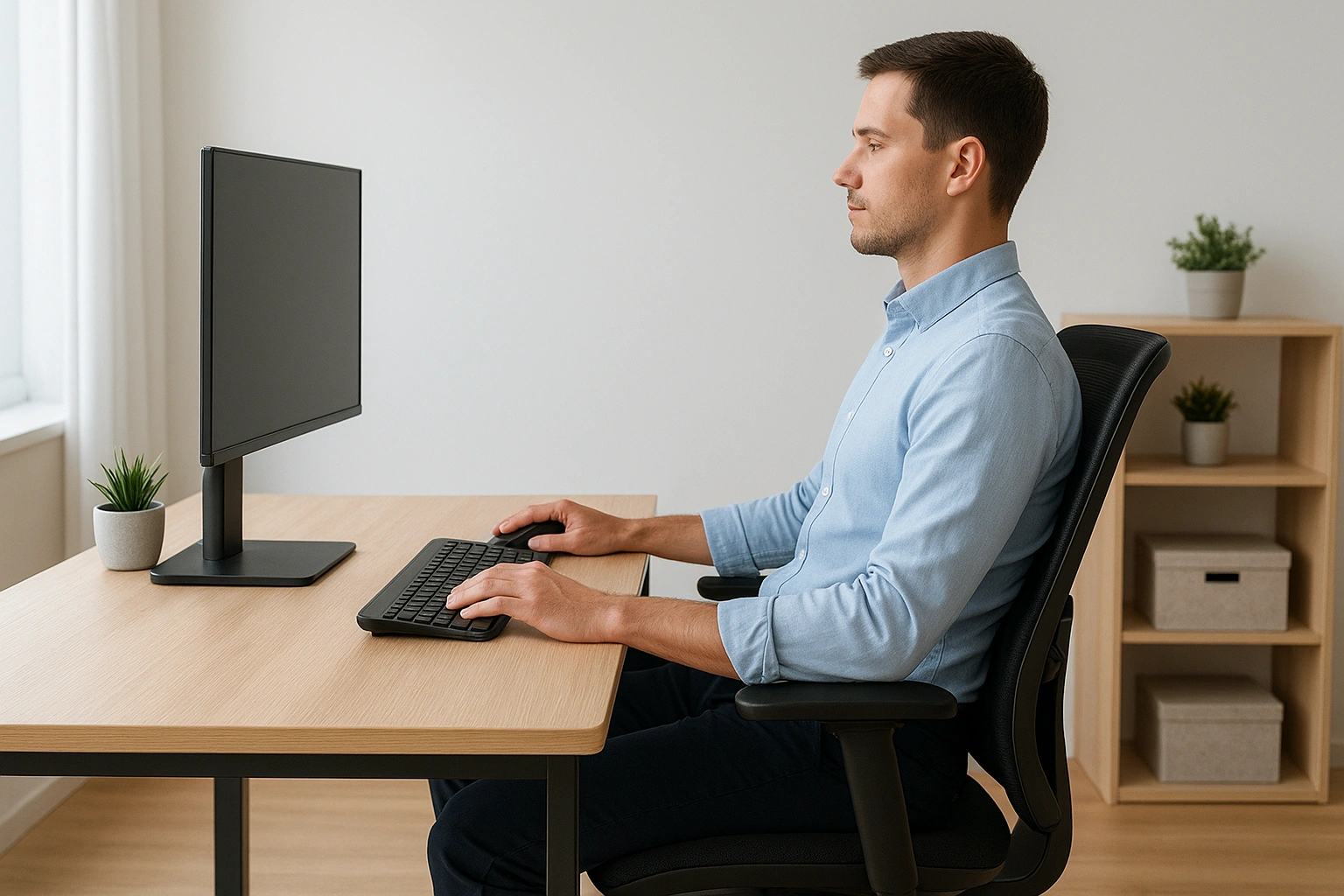
An ergonomic home office is a workspace designed with the human body in mind, aiming to optimize comfort, reduce physical strain, and enhance productivity. Creating an ergonomic home office involves arranging your chair, desk, monitor, keyboard, and mouse to support natural posture and prevent repetitive stress injuries. A well-planned ergonomic home office also focuses on reducing back and neck pain while making daily work more comfortable. By investing in an ergonomic home office setup, you can maintain proper alignment and work efficiently without compromising your health.
In 2025, as remote and hybrid work models continue to grow, the importance of an ergonomic home office has escalated. Employers and individuals alike recognize that a well-designed ergonomic home office leads to a healthier and more productive workforce. Future trends in ergonomic home office setups are moving beyond basic chairs to integrated systems that encourage movement and dynamic posture. A 2024 study published by the Journal of Occupational Health and Ergonomics found that employees who implemented ergonomic home office principles reported a 30% decrease in musculoskeletal pain and a 25% increase in perceived productivity. (Source: Statista – Example Ergonomics Benefits)

Why It Matters: Benefits of a Posture-Friendly Workspace
Adopting **ergonomic home office ideas** goes far beyond just feeling a bit more comfortable. It’s a proactive investment in your physical health, mental clarity, and overall professional longevity.
Reduce and Prevent Back Pain
The most immediate and important benefit of an ergonomic home office is the reduction and prevention of back pain. Spending long hours in an unsupported position can strain your spine, causing muscle imbalances, disc compression, and chronic discomfort. A well-designed ergonomic home office provides proper lumbar support, aligns your spine, and encourages healthy posture, allowing your back muscles to relax. By setting up your ergonomic home office thoughtfully, you can work long hours comfortably, directly improving your focus and daily productivity.
Boost Productivity & Focus
When you’re constantly shifting in your chair, stretching your neck, or experiencing discomfort, your focus is inevitably diverted from your work. An ergonomic setup eliminates these physical distractions, allowing you to concentrate fully on your tasks. Reduced pain means less fatigue, leading to increased alertness and sustained concentration throughout the day. This direct correlation between comfort and cognitive performance makes ergonomic solutions a smart investment in your work output.
Promote Long-Term Health & Well-being
Poor ergonomics isn’t just about temporary discomfort; it can lead to long-term health issues like carpal tunnel syndrome, repetitive strain injuries (RSIs), chronic neck pain, and exacerbated spinal problems. A healthy remote setup acts as a preventative measure, safeguarding your body against these debilitating conditions. By establishing good habits and providing proper **back support office** equipment, you’re building a foundation for sustainable health and ensuring you can continue working comfortably for years to come. For a deeper dive into maintaining your physical health while working remotely, check out our guide on healthy remote work habits.
How It Works: Core Features for an Ergonomic Setup
Implementing **ergonomic home office ideas** involves optimizing several key components of your workstation. Here’s a step-by-step breakdown of how to achieve a healthy remote setup.
- The Ergonomic Chair (Your Foundation):
- Adjustable Height: Your feet should be flat on the floor or a footrest, with knees at a 90-degree angle.
- Lumbar Support: The chair back should support the natural curve of your lower back. Many ergonomic chairs have adjustable lumbar support.
- Armrests: Should allow your arms to rest comfortably, keeping your shoulders relaxed and elbows at a 90-100 degree angle to the keyboard.
- Seat Depth: Ensure there’s about 2-4 inches between the edge of the seat and the back of your knees.
- Desk Height (Flexible is Best):
- Adjustable Desk: A standing desk or sit-stand converter allows you to alternate between sitting and standing, promoting movement and reducing prolonged static posture.
- Fixed Desk: If you have a fixed desk, ensure its height allows your forearms to be parallel to the floor when typing, with relaxed shoulders. Use a monitor arm or risers to adjust monitor height independently.
- Monitor Placement (Eye & Neck Health):
- Eye Level: The top of your monitor screen should be at or slightly below eye level. This prevents neck strain from looking up or down.
- Arm’s Length Distance: Position the monitor approximately an arm’s length away from you to reduce eye strain.
- Center Your Screen: If using a single monitor, center it in front of you. For dual monitors, place the primary one centered, or position both symmetrically in front of you if used equally.
- Keyboard & Mouse (Wrist & Arm Comfort):
- Ergonomic Keyboard: A split or ergonomic keyboard can promote a more natural wrist position.
- Neutral Wrist Position: Keep your wrists straight and relaxed, not bent up or down. Use a wrist rest if it helps, but don’t rest your wrists while typing.
- Ergonomic Mouse: A vertical mouse or trackball can reduce strain on the wrist and forearm. Position the mouse close to your body to avoid overreaching.
- Foot Support (Lower Body Alignment):
- Footrest: If your feet don’t sit flat on the floor at the correct chair height, use an adjustable footrest to maintain proper knee and hip angles.
- Avoid Dangling Feet: Ensuring proper foot support alleviates pressure from your thighs and lower back, improving circulation.
Here’s a simplified process flow for setting up your back support office:
Chart: Ergonomic Office Setup Process
| Step | Action | Goal | Benefit for Back Pain |
|---|---|---|---|
| 1 | Adjust Chair Height Feet flat, knees at 90 degrees. |
Proper lower body alignment. | Reduces strain on hips & lower spine. |
| 2 | Ensure Lumbar Support Chair back supports lower spine curve. |
Maintains natural spinal curve. | Prevents slouching, supports discs. |
| 3 | Set Monitor Height Top edge at eye level, arm’s length away. |
Neutral neck and head position. | Eliminates neck/upper back strain. |
| 4 | Align Keyboard & Mouse Elbows at 90-100 degrees, wrists straight. |
Relaxed shoulders & arms. | Prevents shoulder & upper back tension. |
| 5 | Use Footrest (if needed) Feet fully supported. |
Maintain ergonomic lower body posture. | Reduces pressure on lower back. |
| Total | Significantly reduced back pain. |

Real-Life Back Pain Reduction: A Case Study
Let me share a common scenario that illustrates the power of implementing an ergonomic home office to drastically reduce back pain. Setting up a proper ergonomic home office can transform daily work comfort and prevent strain. By designing an ergonomic home office with the right chair, desk, and monitor placement, you can significantly improve posture and ease discomfort. A thoughtfully arranged ergonomic home office shows how even small changes can have a major impact on back health and overall productivity.
The Challenge:
Mark, a software developer, spent 8-10 hours a day hunched over his laptop at his dining table. He used a standard dining chair, and his monitor was too low, forcing him to crane his neck. He started experiencing constant lower back pain, neck stiffness, and frequent headaches, making his work unbearable.
The Transformation:
- Ergonomic Chair: Mark invested in a mid-range ergonomic office chair ($250) with adjustable lumbar support, seat height, and armrests. He learned how to adjust it to his body, ensuring his feet were flat and lower back supported.
- Monitor Elevation: Instead of buying a new desk, he got a sturdy monitor riser ($40) that elevated his external monitor to eye level. He also used a laptop stand ($25) for his laptop, and an external keyboard and mouse.
- Keyboard & Mouse: He purchased an ergonomic keyboard ($50) and a vertical mouse ($35). These helped maintain a neutral wrist position and reduced strain on his forearms.
- Footrest: Since his chair’s lowest setting still left his feet dangling slightly, he added an adjustable footrest ($30) under his desk.
- Movement & Breaks: He set a timer to stand and stretch for 5 minutes every hour, incorporating simple back and neck exercises he found online.
Total Spend: $250 (chair) + $40 (monitor riser) + $25 (laptop stand) + $50 (keyboard) + $35 (mouse) + $30 (footrest) = $430. While slightly above the previous budget constraints, this shows a realistic investment for significant back pain relief.
Within a few weeks, Mark reported a dramatic reduction in his lower back and neck pain. His headaches subsided, and he felt more energetic and focused throughout his workday. This holistic approach to creating a healthy remote setup proved to be a life-changer for his comfort and productivity.

Pros and Cons of Mark’s Ergonomic Setup:
| Pros | Cons |
|---|---|
| Significant Pain Reduction: Alleviated chronic back and neck pain. | Higher Upfront Cost: Requires a moderate investment in equipment. |
| Increased Productivity: Better focus without discomfort. | Adjustment Period: May take time to adapt to new posture. |
| Improved Long-Term Health: Prevents future injuries. | Requires Discipline: Need to take regular breaks and maintain posture. |
| Enhanced Comfort: Sustainable for long work hours. | |
| Greater Awareness: Mark learned about his body’s needs. |
Comparing Ergonomic Office Essentials
Investing in the right tools is key to creating a truly posture-friendly workspace. Here’s a comparison of essential ergonomic products and their benefits for a **back support office**.
| Item | Features | Pros | Cons | Best For |
|---|---|---|---|---|
| Ergonomic Office Chair | Adjustable lumbar, height, armrests, seat depth. | Comprehensive back support, highly customizable. | Higher cost, can be bulky. | Anyone spending long hours sitting, severe back pain. |
| Standing Desk Converter | Sits on existing desk, adjustable height. | Promotes movement, affordable entry to standing. | Limited work surface, can be wobbly. | Fixed desk users, testing standing work. |
| Monitor Arm/Riser | Elevates monitor, often adjustable. | Corrects eye level, frees desk space. | Requires VESA mount (for arms), single-use. | All users, especially laptop users. |
| Ergonomic Keyboard & Mouse | Split keyboard, vertical mouse. | Reduces wrist/forearm strain, natural hand position. | Takes getting used to, can be expensive. | Preventing/alleviating wrist/arm pain. |
| Footrest | Adjustable angle/height. | Supports feet, improves circulation, perfects posture. | Can be bulky, sometimes slides. | Shorter individuals, anyone with dangling feet. |
Common Mistakes to Avoid in Your Ergonomic Home Office
Even with the best intentions, it’s easy to make mistakes when setting up your **ergonomic home office ideas**. Avoid these common pitfalls to maximize your comfort and back health.
- Buying an Ergonomic Chair Without Adjusting It: Mistake: Investing in an expensive ergonomic chair but not taking the time to set it up correctly for your body. Correction: Read the manual! Adjust seat height, depth, armrests, and lumbar support to fit your unique proportions. A properly adjusted chair is key to a true posture-friendly workspace.
- Working Exclusively in One Position: Mistake: Sitting for 8+ hours straight, even in a perfectly ergonomic chair, or standing all day without breaks. Correction: Movement is crucial. Incorporate regular micro-breaks (every 30-60 minutes) to stand, stretch, and walk around. If you have a standing desk, alternate between sitting and standing throughout the day.
- Ignoring Monitor Height: Mistake: Cranking your neck up or down to see your screen, especially with laptops. Correction: The top of your monitor should be at eye level, about an arm’s length away. Use a monitor stand, VESA arm, or even a stack of sturdy books to achieve this. This is vital for reducing neck and upper back pain.
- Slouching or Leaning Forward: Mistake: Despite having a supportive chair, you find yourself slouching or leaning towards your screen. Correction: Actively engage your core muscles, sit upright, and use your chair’s backrest. Bring your keyboard and mouse closer to your body to avoid leaning forward.
- Improper Keyboard and Mouse Positioning: Mistake: Reaching for your mouse or typing with bent wrists. Correction: Keep your keyboard and mouse close to your body. Ensure your elbows are at a 90-100 degree angle and your wrists are straight. A simple back support office setup pays attention to these small but critical details.
- Using a Laptop Without External Peripherals: Mistake: Working directly on a laptop for extended periods, which forces awkward neck and wrist positions. Correction: Always use an external monitor (elevated to eye level), an external keyboard, and an external mouse when using a laptop at your desk.
- Not Listening to Your Body: Mistake: Pushing through pain or discomfort, thinking it will go away. Correction: Pay attention to early signs of discomfort. Adjust your setup, take a break, or consult a professional (like a physical therapist) if pain persists. Your body is giving you important feedback about your healthy remote setup.
Expert Tips & Best Practices for a Healthy Remote Setup
Beyond the physical setup, these expert tips will help you maintain a truly healthy remote setup and proactively manage back pain.
- Implement the “20-20-20 Rule” for Eye Health: Every 20 minutes, look at something 20 feet away for 20 seconds. This also serves as a micro-break for your body.
- Incorporate Gentle Stretches: “Simple stretches for your neck, shoulders, and lower back can be done right at your desk and are incredibly effective in preventing stiffness,” says certified ergonomist, Dr. Alex Chen. Look for desk-friendly stretches online.
- Stay Hydrated: Drinking enough water helps maintain the elasticity of your spinal discs and muscles, which is crucial for **back support office** health. Keep a water bottle within reach.
- Strengthen Your Core: A strong core supports your spine. Incorporate exercises like planks, bird-dog, or yoga into your routine to build abdominal and back muscle strength.
- Consider a Document Holder: If you frequently refer to physical documents, use a document holder positioned at the same height and distance as your monitor. This prevents repetitive neck twisting.
- Optimize Your Lighting: Ensure your workspace is well-lit, preferably with natural light and a task lamp. Poor lighting can cause you to lean forward, compromising your posture in your posture-friendly workspace.
- Elevate Your Laptop (Always!): If a laptop is your primary device, use a laptop stand to bring the screen to eye level and pair it with an external keyboard and mouse. This is one of the most impactful **ergonomic home office ideas**.
- Regularly Re-evaluate Your Setup: Your body and needs can change. Every few months, take a critical look at your setup and make adjustments. Are your feet still flat? Is your monitor at eye level?
- Walk and Move During Calls: If you have phone calls that don’t require screen sharing, use the opportunity to stand up and walk around. This increases movement and blood flow.
- Invest in Good Sleep: Proper sleep allows your body to recover. Ensure your mattress and pillows support good spinal alignment, completing the holistic approach to **back support office** health.
Frequently Asked Questions (FAQ) About Ergonomic Home Offices
Here are some common questions about creating an ergonomic workspace to reduce back pain.
Q: What is ergonomics and why is it important for a home office?
A: Ergonomics is the science of designing the workplace to fit the worker, optimizing efficiency and preventing injury. For a home office, it’s crucial for comfort, productivity, and long-term health, especially to reduce back pain.
Q: What are the key components of an ergonomic home office?
A: The key components include an ergonomic chair with good lumbar support, an adjustable desk (or monitor stand), proper monitor height, and an ergonomic keyboard and mouse setup. Good posture ties all these elements together.
Q: How can I make my existing office chair more ergonomic to reduce back pain?
A: Add a lumbar support cushion, use a footrest to keep your feet flat, adjust your chair height so your feet are flat and knees are at 90 degrees, and ensure your monitor is at eye level. Take regular breaks to stretch.
Q: What is the ideal monitor height for ergonomic comfort?
A: Your monitor’s top edge should be at or slightly below eye level, about an arm’s length away. This prevents neck strain and ensures a comfortable viewing angle without tilting your head up or down.
Q: How often should I take breaks from my ergonomic setup?
A: Aim for short breaks every 30-60 minutes. Stand up, stretch, walk around, or do some light exercises. This helps to prevent stiffness, improve circulation, and give your eyes a rest from the screen.
Q: Can a standing desk really help with back pain?
A: Yes, a standing desk can alleviate back pain by promoting movement and reducing prolonged sitting. It’s best used in conjunction with a sitting desk, allowing you to alternate between standing and sitting throughout the day.
Conclusion
Creating an ergonomic home office setup is one of the most impactful investments you can make for long-term health and productivity. Designing your ergonomic home office with attention to your chair, desk, monitor, and peripherals can transform your workspace into a posture-friendly environment that actively helps reduce and prevent back pain. A well-planned ergonomic home office goes beyond equipment; it involves mindful posture, regular movement, and listening to your body.
Don’t let discomfort affect your work or well-being. Implement these strategies for an ergonomic home office today and experience the difference a truly comfortable workspace can make. With a proper ergonomic home office, your body will feel supported, and your productivity will naturally improve.
Ready to take your budget setup to the next level? Explore more advanced tips on maximizing your home office space by visiting
AI Generatif
.
Cheap remote work setup is within reach – go build it!
For trusted medical advice and insights on back health, refer to authoritative sources like WebMD’s guide on desk posture. Prioritize your ergonomic health for a more comfortable and efficient workday!